



Range anxiety is one of the most common concerns for many EV drivers, which is why many also wonder whether the car can top itself up on the move.
The good news is that you can charge an EV while driving, but not in the way most people expect. While EVs recover energy on every trip through regenerative braking, maximising range still depends on driving and charging habits.
Can Electric Cars Charge Themselves While Driving?
For most battery-electric vehicles (BEVs), charging while driving doesn’t occur in the traditional sense, but they do have clever ways to recycle energy.
The distinction lies in these two EV charging processes:
- Active Charging: Connecting to an external power source
- Passive Energy Recovery: Capturing kinetic energy that would otherwise be lost as heat and converting a portion of it back into electricity.
Every BEV on the road today uses the second method through regenerative braking. While none can sustain themselves through it, every deceleration still puts some energy back into the battery.
How Do Electric Cars Charge Themselves While Driving?
The technology behind passive energy recovery is already built into electric car rentals in the Bolt Car Leasing’s fleet, and here’s how it works in practice:
Regenerative Braking
When you lift off the accelerator or tap the brakes, the electric motor reverses its function. Instead of drawing power from the battery, it acts as a generator, converting the car’s kinetic energy back into electricity and feeding it into the battery.
On a petrol car, that energy becomes heat and is lost. On an EV, around 20% of the energy that would otherwise be wasted is typically recovered.
One-Pedal Driving
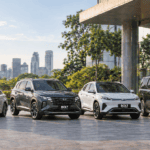
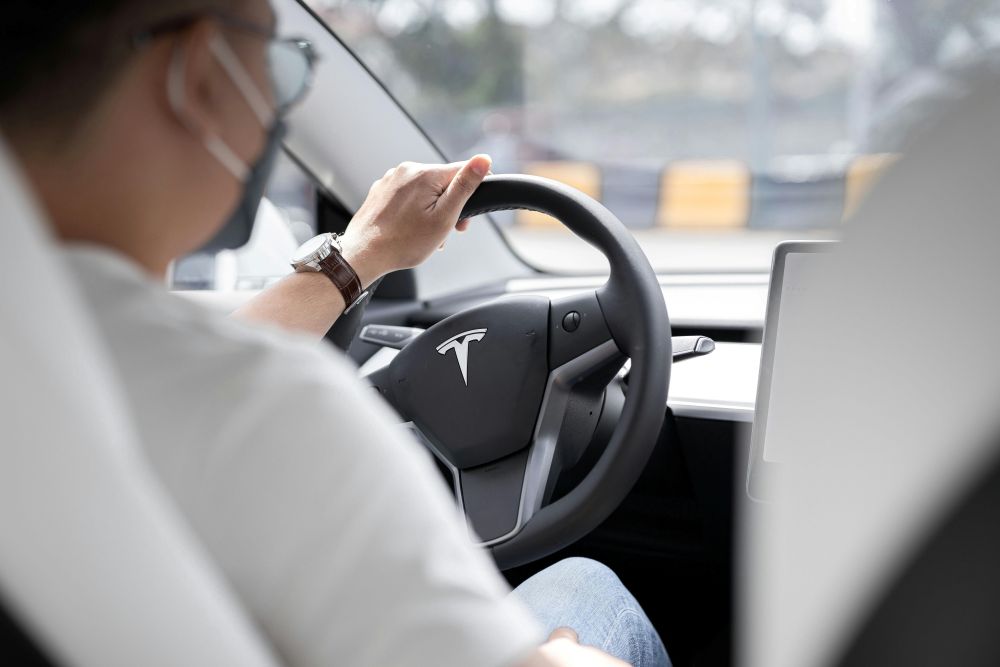
The Tesla Model Y and BYD Seal, both available in Bolt Car Leasing’s rental range, let drivers engage regenerative braking with a single pedal.
By lifting your foot from the accelerator, you slow the electric car substantially without touching the brake pedal. In Singapore’s CBD, one-pedal driving can extend range on a single charge.
Future Tech: Charging Without the Cables
Research into technology that allows EVs to charge passively while driving, without any plug or cable, is further along than most drivers realise. Two approaches, namely dynamic induction charging and solar roofs, are being actively tested.
Dynamic Induction Charging
Dynamic wireless charging embeds electromagnetic coils beneath road surfaces. As an EV fitted with a compatible receiver drives over these coils, the electromagnetic field induces a current that feeds directly into the battery.
In these test environments, electric cars can charge while driving over electromagnetic pads embedded in the asphalt. However, while a dedicated charging lane on the PIE or ECP is technically conceivable, standardisation across manufacturers and infrastructure costs remain the key barriers.
Solar Roofs
Some EV variants already integrate solar panels into the roof. And if these models become widely available in Singapore, many EV drivers will be able to charge their cars while driving.
With the country’s sunny weather, the prospect is appealing on paper. However, the practical ceiling is surface area: a car roof generates roughly 100 to 200 watts in peak sun, adding one to two kilometres of range per hour.
Engineers call it a ‘trickle charge’, which is useful for offsetting cabin cooling load, but not a substitute for plugging in.
Why Can’t Electric Cars Charge Themselves While Driving?
Several overlapping barriers have kept self-charging EVs from becoming a practical reality:
- Technical Constraints: Any onboard generator capable of producing enough charge would need to be heavy and mechanically complex. That added weight and drag would consume more energy than the system could recover, producing a net loss.
- Infrastructure Hurdles: Singapore’s charging grid is built around high-speed DC chargers. Therefore, converting road surfaces into electrified charging lanes would require a parallel infrastructure build from the ground up, not an upgrade of what already exists.
- Government Investment and Universal Standards: Even if a single market were committed to electrified roads, the system would only function if every vehicle manufacturer equipped its vehicles with a compatible onboard receiver. Agreeing on a universal standard across EV brands requires international coordination that may take years. Unfortunately, the capital investment required at the national scale has not yet been committed by any government.
Why Leasing an EV is a No-Brainer
EV technology is evolving faster than most vehicle purchase cycles can keep up with. As such, opting for a long-term car rental is still the practical solution in Singapore.
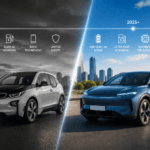
- The Obsolescence Factor: New BEV models arrive each year with longer range, faster charging and more capable regenerative systems. Buying a current-generation EV means owning technology that may be outpaced before the loan is repaid. Leasing lets you upgrade every two to three years without absorbing the depreciation.
- Bolt Car Leasing’s EV Fleet Advantage: The BYD Sealion 7 and MG 4 EV, for instance, feature advanced regenerative braking systems suited to Singapore’s driving conditions. Both deliver real efficiency gains in stop-start CBD traffic, where regeneration is most active.
- Financial Safety: COE prices remain volatile, but leasing protects you from the upfront bidding cost and the risk of poor resale value as charging technology continues to improve. What’s more, monthly payments are fixed across the full lease term.
Expert EV Charging Tips for Singapore Drivers
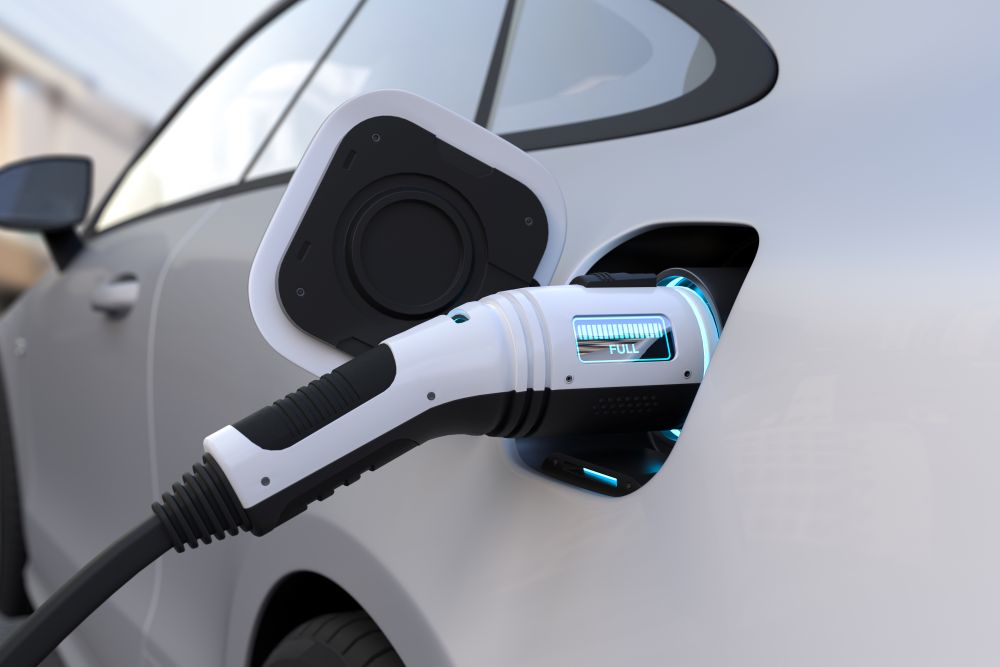
The technology gap does not mean you are helpless, and these four habits get the most from your EV’s battery in Singapore’s conditions.
- The 20-80 Rule: Keep your daily charge between 20% and 80% of the battery’s capacity, as this range reduces stress on the battery chemistry and slows long-term degradation. While charging to 100% is fine before a long drive, don’t make it a daily habit.
- ABC: Always Be Charging: Plug in whenever the opportunity arises, not just when the battery is critically low. Besides, Singapore’s growing charging network at malls, offices and public car parks makes opportunistic top-ups easy.
- Avoid the ‘Rapid Only’ Trap: DC fast chargers are convenient but generate heat inside the battery cells. For daily use, overnight AC charging at home or the office is kinder on the battery and better for driving performance.
- Pre-Conditioning Magic: Use the companion app to cool the battery before a charge session, especially after a midday park in Singapore’s heat. Remember, a battery at its optimal operating temperature accepts a charge faster and with less cell stress.
Today’s EVs, Tomorrow’s Roads
Wireless-charging roads are still years away, but today’s EVs already recover energy efficiently on every deceleration, and regenerative systems improve with each new model year.
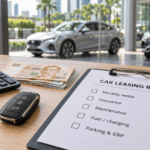
If you’re looking for a practical, cost-effective mobility solution right now, consider an electric car rental. At Bolt Car Leasing, we offer packages that cover maintenance, road tax and 24/7 roadside support, keeping you on the right side of the technology curve without the financial burden of vehicle ownership.
Ready to experience the future of driving? Explore Bolt Car Leasing’s EV fleet today and find a flexible plan that fits your lifestyle.
Related posts


