






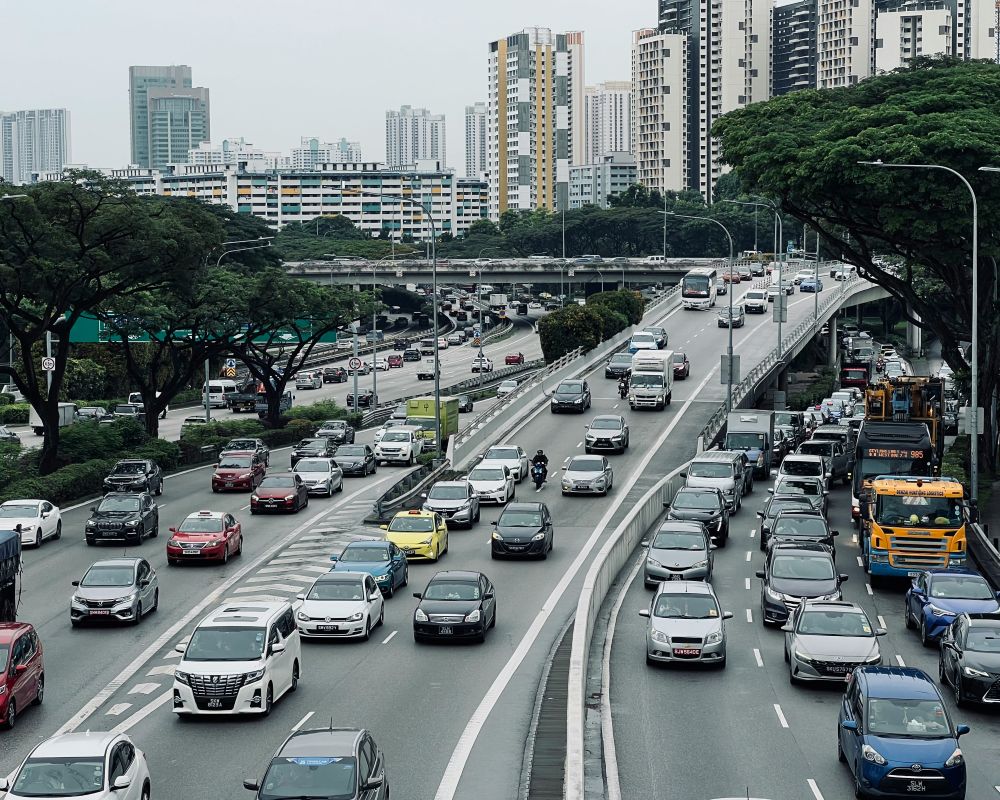
If you’re looking to purchase a car in Singapore, you’ll encounter the bidding process for acquiring a Certificate of Entitlement (COE). Often, this open bidding system is complex and highly volatile.
From the preparation to monitoring the bidding dates and results, the entire process can be complicated. Plus, there’s always the risk of ending up with a CEO price at a market peak, which is why it’s wise to explore and consider long-term car rental as a smarter, low-risk alternative.
Understanding the COE System and Its Value
Before comparing the financial risks of buying versus car leasing, learn what a Certificate of Entitlement is and how its value is determined.
What is the Certificate of Entitlement?
The Certificate of Entitlement is a mandatory 10-year permit required to own and use a vehicle in Singapore. It’s also the cornerstone of the Vehicle Quota System (VQS), a policy designed to manage the country’s severely limited road space and control the growth of the vehicle population.
Crucially, the COE is a separate cost from the actual vehicle itself. At the same time, the COE frequently costs more than the car, heavily inflating the overall purchase price and turning car ownership into a luxury.
Why Are COE Prices So High?
COE prices are so high because of the supply and demand in a severely restricted market. The Land Transport Authority (LTA) tightly controls the supply of COEs available for bidding, intentionally creating scarcity.
Meanwhile, demand remains strong, driven by factors like local affluence, the need for flexible transport beyond public networks, and high market uptake from corporate fleets. When the number of buyers greatly outweighs the limited number of certificates, prices inevitably soar.
Who Decides the COE Price?
The government does not set the COE price. Instead, it’s determined by an open bidding auction held on varying dates twice a month.
All buyers, including individuals and dealers, usually participate in the process. Also, the final price, known as the Quota Premium (QP), is the price of the highest unsuccessful bid, plus one dollar.
This transparent COE bidding mechanism ensures that the QP reflects the current, aggressive market competition and the true value bidders are willing to pay for the right to own a vehicle.
What Are the Steps in the Bidding Process?
The COE bidding process is essentially a three-day auction run by the Land Transport Authority (LTA). Generally, the steps involve the following:
- Preparation: To join the bidding, you must first have a valid account with a participating bank (like DBS or POSB). A substantial, mandatory bid deposit (typically S$10,000 for passenger cars) must be available in your account, which is locked once you submit your bid.
- The Reserve Price: You submit a maximum offer, known as your reserve price. This is the highest amount you are genuinely willing to pay for the Certificate of Entitlement.
- The Auction: The COE Open Bidding System automatically works your bid, slowly revising it upwards by S$1 increments until it either reaches your specified reserve price or the exercise ends. Your bid remains in the running as long as the Current COE Price (CCP) does not exceed your reserve.
Understanding the Result
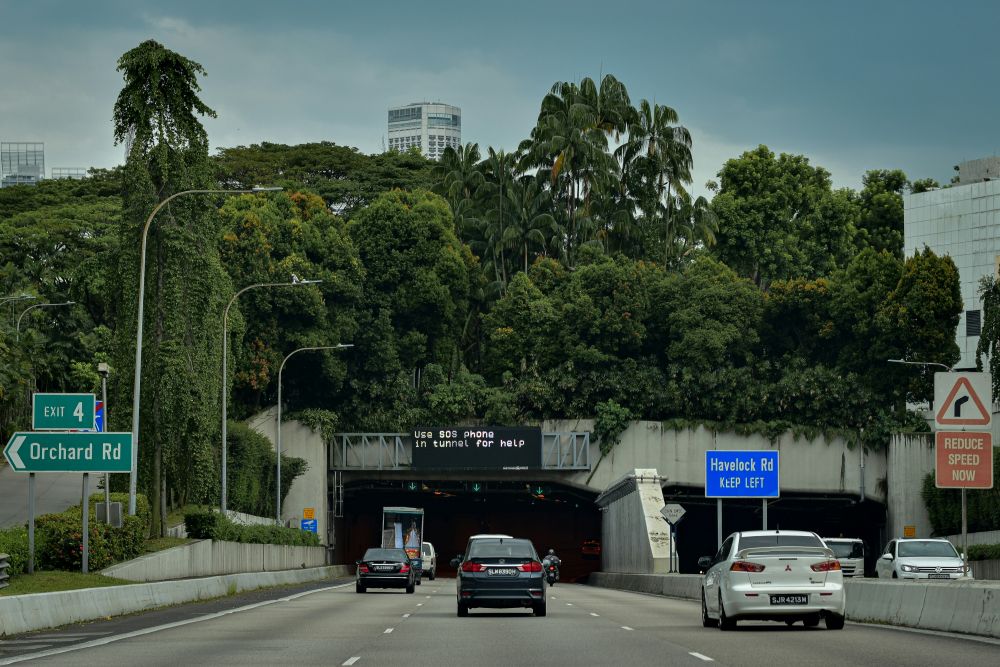
If you’re watching the next COE bidding result, the final hours of the exercise are typically crucial for determining the outcome:
- Monitoring: If the current COE price exceeds your reserve, your status will change to “Out-bid,” requiring you to revise your bid upwards to re-enter the competition. If your bid is still active, your status will be “Accepted.”
- Winning Price: The final price, the Quota Premium (QP), is based on the lowest successful bid. All successful bidders pay this single, uniform QP, regardless of their individual reserve price.
- Aftermath: If successful, you receive a Temporary COE (TCOE), which you must use to register a vehicle within its validity period (typically six months). Unsuccessful bidders have their initial bid deposit automatically refunded one working day after the COE results are announced.
The Financial Danger of Buying at Peak Price
With the current price of a Certificate of Entitlement, buying a car involves a calculated risk that also entails a depreciation trap of vehicle ownership.
The Immediate Pain of Buying at Peak COE Price Now
With the Certificate of Entitlement price at an all-time high, purchasing a vehicle means committing to the maximum possible capital expenditure. For many cars, the COE is the single most expensive component of the overall vehicle cost.
By proceeding with a purchase today, you are betting a substantial portion of your capital on a market peak. Consequently, you’re at an immediate financial disadvantage compared to those who bought when COE values were significantly lower just a few years ago.
The Depreciation Time Bomb
Because Certificate of Entitlement cycles are known to fluctuate, a drop in the market will cause the total value of your car to plummet almost instantly, especially during the first few years of ownership. This steep decline also means the owner absorbs the entire financial loss.
If you need to sell your car early, perhaps due to a job relocation, this massive drop in resale value creates negative equity and major financial risk, effectively tying you to an overvalued asset.
How Leasing Provides Financial Safety and Flexibility
Given the unpredictability of COE prices in Singapore, opting for a long-term car rental can be a smarter choice. Here are some ways leasing can secure your mobility while mitigating substantial financial risk:
1. Avoiding the Upfront COE Bidding Risk
The single greatest financial advantage of leasing is that the provider handles the entire risk of the COE bidding process. This also means that you don’t need to raise the six-figure capital required for the bidding deposit and final payment.
Instead of tying up funds in a rapidly depreciating asset, that capital remains liquid, free to be invested in non-depreciating assets like property or other financial ventures.
2. Predictable Costs with Flexible Long-Term Car Leasing
Although current long-term car rental rates are slightly higher due to the peak COE price, the fixed monthly payment serves as a financial shield. This is because the fixed cost is a minimal premium compared to the massive, steep depreciation loss that owners absorb when the COE market eventually drops.
Furthermore, the payment is all-inclusive, bundling insurance, road tax, and maintenance into one fee. This predictability also ensures your budget is never hit by the shock of unexpected car ownership costs.
3. Strategic Advantage of Corporate Car Leasing
For enterprise clients and expats, corporate car leasing can offer strategic flexibility. Companies can avoid tying up massive capital in depreciating assets and easily scale their fleets up or down as business needs evolve.
Similarly, expats can secure reliable transport for the exact duration of their assignment (e.g., two to three years) without the hassle of dealing with high-risk depreciation or complex resale paperwork when they leave Singapore.
4. Access to Newer Cars Despite High COE Results
Leasing guarantees access to modern, well-maintained vehicles, often equipped with the latest safety and fuel-efficiency features, regardless of recent Certificate of Entitlement results. You also get to choose among rental cars with superior technology, eliminating the need to manage the costly cycle of purchasing, maintaining, and selling a depreciated asset.
Your Smart Strategy Against Market Volatility
The current market proves that buying a car at a peak COE price is an unnecessary financial risk. While ownership locks you into maximum costs and massive depreciation, long-term car rental provides a convenient, transparent, and hassle-free alternative.
Strategic leasing enables you to drive confidently, knowing that the leasing partner absorbs market volatility and handles all administrative burdens.
Ready to beat the high COE market? Contact the team at Bolt Car Leasing today to explore flexible car lease packages that perfectly fit your budget and lifestyle.
Related posts

What Happens to an EV Vehicle After 5 Years?
21/08/2026


Can You Charge an EV While Driving?
30/04/2026
