


How Much Does Car Leasing Cost in Singapore?
06/10/2026

The transition to cleaner energy is accelerating rapidly in Singapore, with electric vehicles (EVs) accounting for an increasing share of new car sales. Amid this shift, you may also wonder if you should commit to a traditional petrol car or embrace the electric future.
More than a preference for fuel or electricity, this decision is also a question of long-term cost and technological risk. While the EV offers major savings on running costs, a petrol car provides guaranteed refuelling convenience.
So, when you’re choosing between leasing an electric vehicle and a petrol car, you need to consider your priorities in terms of operational expenses, driving experience, and range.
When comparing an electric car vs a petrol car, one of the best ways to start is by reviewing the daily and annual operating expenses. Some of the costs you need to consider include:
When you drive a petrol car, you face the high, fluctuating cost of fuel, which can also be a monthly burden. Frequent top-ups, especially for long trips, quickly rack up expenses, and pricing is subject to global volatility and local taxes.
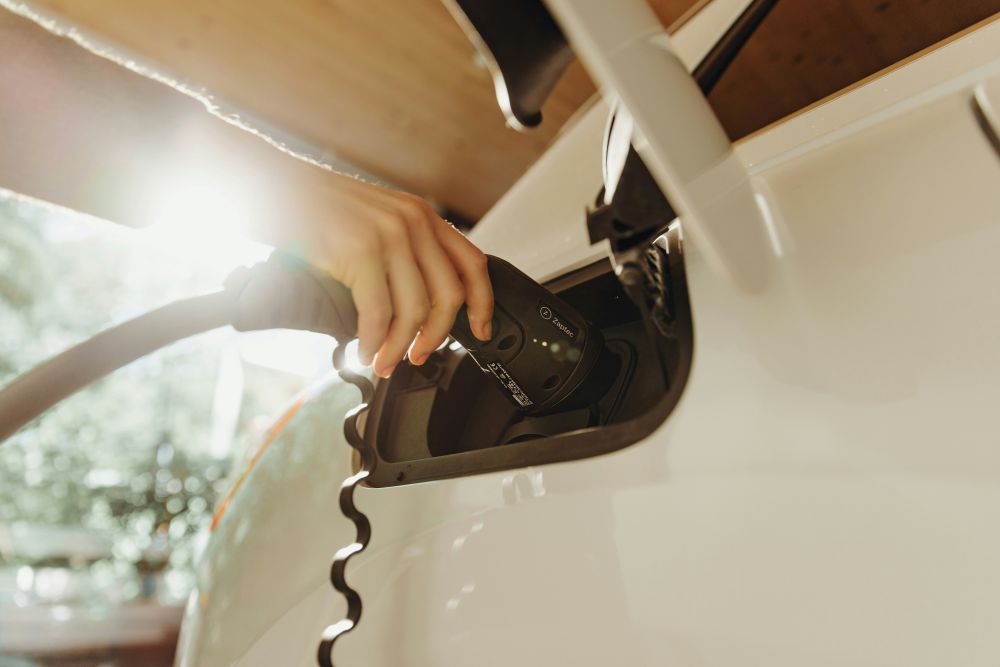
In contrast, running an electric vehicle is more affordable. Charging an EV, whether at home or at a public charging station, takes advantage of much lower electricity rates, resulting in significant savings on monthly operating costs. Mile for mile, the EV is the more cost-stable option.
When it comes to maintenance expenses, electric vehicles may have the advantage over petrol cars. EVs have fewer moving parts, eliminating the need for oil changes, spark plug replacements, and transmission fluid. While routine service costs for petrol cars tend to be predictable, they are usually not the cheapest.
However, while both vehicles require road tax, the calculation for EVs is often structured differently. Sometimes, it includes an additional flat component to offset the lack of fuel excise duties paid by traditional drivers.
Premiums for electric vehicles can sometimes be higher than for conventional petrol cars. This is typically due to the elevated cost of replacing complex components, primarily the battery, which requires specialised tools and expertise for repair.
However, this potential premium difference is often mitigated by the leasing model, as comprehensive insurance is typically bundled into your fixed monthly payment. So, by opting for a long-term car lease package for an EV, you can simplify your budget and protect yourself from massive, unexpected repair bills.
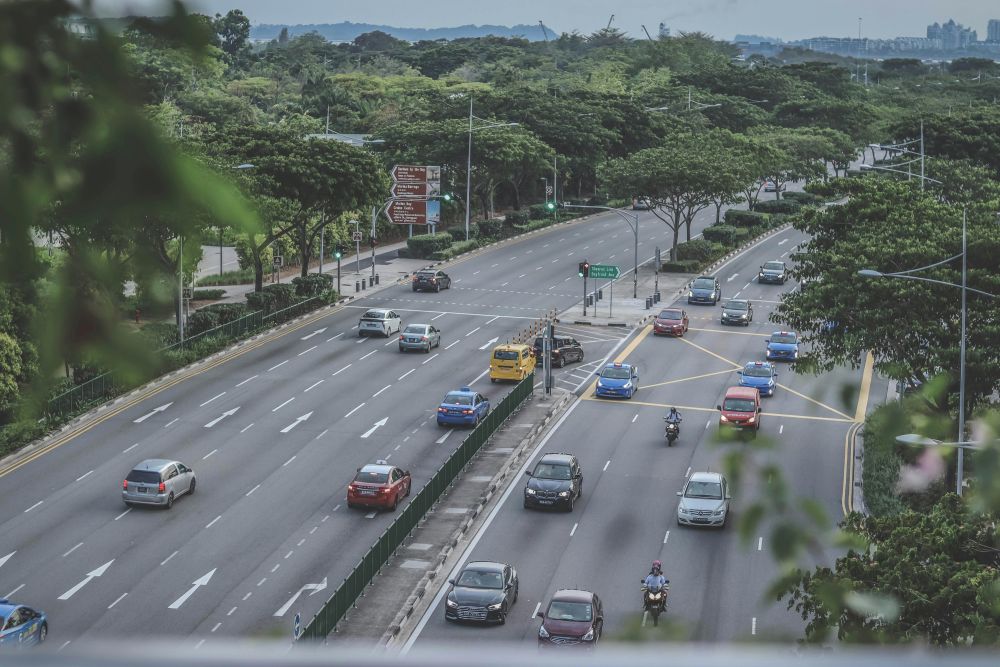
Aside from comparing the running costs between an electric car and a petrol vehicle, you also need to assess the everyday reality of driving. From on-road experience to the practical challenges of refuelling or recharging, there are plenty of factors to consider.
When you choose an electric vehicle, you can enjoy its distinct, superior driving experience in congested urban settings. They also boast a quiet cabin, which can reduce driver stress. At the same time, they offer instant torque, enabling smooth, quick acceleration and making them perfect for stop-start city driving.
On the other hand, petrol cars provide the familiar engine noise and the immediate confidence of a traditional vehicle, which some drivers prefer. However, the EV’s lower centre of gravity also enhances handling, making it a stable and highly responsive choice for navigating the dense road network.
When it comes to maximum convenience and uninterrupted long-distance travel, petrol cars still hold an advantage. Refuelling can be convenient, especially since petrol stations are widespread.
Conversely, driving an EV requires planning, especially for cross-border trips into Malaysia. While the charging network along the North-South Expressway is rapidly improving with DC fast chargers, charging still takes time.
Furthermore, all foreign vehicles, including EVs, must be VEP-compliant with an activated tag to enter Malaysia, adding an essential layer of preparation.
Given the rapid technological evolution of the EV segment and the administrative burden of car ownership in Singapore, leasing presents a savvy financial defence. Besides, the flexibility of a long-term car lease allows you to navigate market volatility.
The electric car market is currently undergoing intense technological innovation, leading to high market volatility. With many new EV models constantly entering the market, technology like battery range and charging speed is improving so quickly that a unit purchased today could become outdated or obsolete in just two to three years.
This issue, combined with the fact that many EVs are known to have lower resale value than traditional vehicles, creates a massive financial trap for buyers.
However, long-term leasing mitigates this risk entirely by allowing you to switch to new models every two to three years. By taking this approach, you can completely bypass the steep depreciation and resale hassle that owners face, as you only pay for the usage period, not the risk of owning an outdated asset.
One of the greatest advantages of choosing a long-term car lease through a reliable provider is the immediate financial freedom it grants from administrative burdens. With Bolt Car Leasing, for example, the fixed monthly rate is an all-inclusive financial shield.
This predictability covers every major cost of ownership, including comprehensive insurance, annual road tax, routine servicing, and 24/7 roadside assistance. This consolidated payment also ensures you do not need to track renewal dates or pay unpredictable repair bills.
The choice between an electric or petrol car depends entirely on your lifestyle and priorities. For instance, if you primarily use the car for local commuting within Singapore and want lower running costs, an EV would be a great choice. And when you lease an electric car, you can test the technology risk-free, protecting you from future battery and obsolescence worries.
On the other hand, opt for a petrol rental if you frequently take long-distance road trips, especially cross-border drives where charging infrastructure can be unpredictable. Petrol cars offer convenience with quick, five-minute refuelling stops and eliminate range anxiety, making them the pragmatic choice for those who value uninterrupted travel and maximum time efficiency.
Ultimately, the debate between electric and petrol cars is not about which is inherently “better,” but about which is financially smarter and better suited to your needs. The cost stability and low maintenance of the EV often shine in the city, while the traditional petrol car offers range confidence for longer drives.
However, whether it’s an EV or petrol car, opting for long-term car lease options, you can enjoy the benefits of both powertrains without ever facing the risk of massive depreciation.
For private or corporate car leasing in Singapore, contact the team at Bolt Car Leasing today. Explore our diverse, well-maintained fleet and find the perfect vehicle that fits your budget and future lifestyle.


